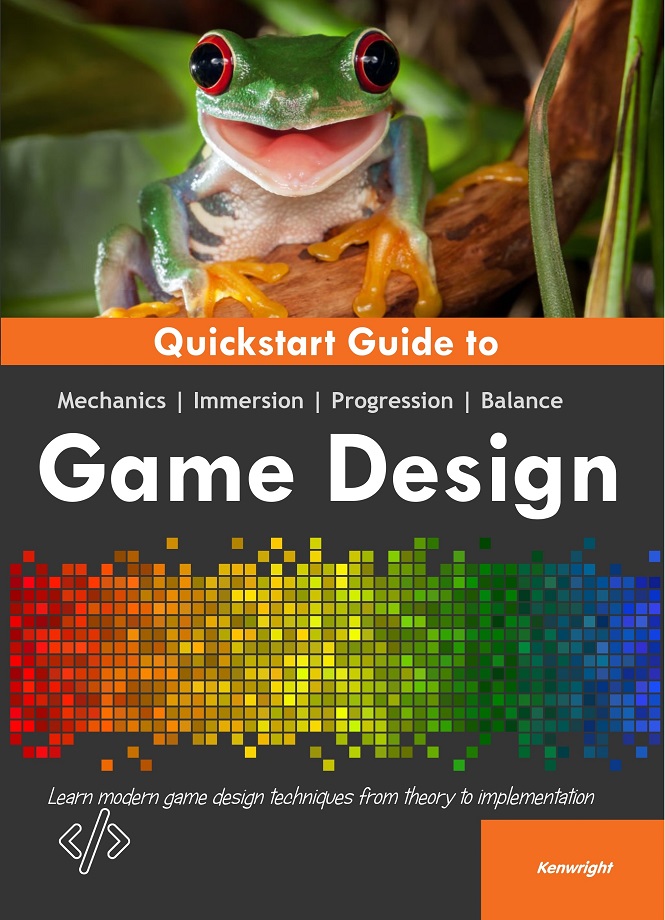
book page

Quickstart Guide to Game Design

A crisp, motivating guide through Game Design, Programming, Beginner Coding, Educational Games. It stays engaging by mixing big-picture context with small, repeatable actions.

ISBN: 9798276570402 Published: November 29, 2025 Game Design, Programming, Beginner Coding, Educational Games, Interactive Design, Creative Programming, Game Development Basics, Project-Based Learning, Design Principles, Coding for Beginners
What you’ll learn
  • Spot patterns in Interactive Design faster.
  • Turn Educational Games into repeatable habits.
  • Connect ideas to march, 2026 without the overwhelm.
  • Build confidence with Creative Programming-level practice.
Who it’s for
Busy builders who want quick wins without fluff.
Great for 10–20 minute daily sessions.
How to use it
Pair it with a timer: 12 minutes reading + 3 minutes notes.
Bonus: use the nested reviews below to pick chapters first.
quick facts

Skimmable details

handy
TitleQuickstart Guide to Game Design
ISBN9798276570402
Publication dateNovember 29, 2025
KeywordsGame Design, Programming, Beginner Coding, Educational Games, Interactive Design, Creative Programming, Game Development Basics, Project-Based Learning, Design Principles, Coding for Beginners
Trending contextmarch, 2026, read, trailer, series, part
Best reading modeSkim + apply
Ideal outcomeMore clarity
social proof (editorial)

Why people click “buy” with confidence

Editor note
Clear structure, memorable phrasing, and practical examples that stick.
Confidence
Multiple review styles below help you self-select quickly.
Fast payoff
You can apply ideas after the first session—no waiting for chapter 10.
Reader vibe
People who like actionable learning tend to finish this one.
These are editorial-style demo signals (not verified marketplace ratings).
context

Headlines that connect to this book

We pick items that overlap the title/keywords to show relevance.
RSS
forum-style reviews

Reader thread (nested)

Long, informative, non-repeating—seeded per-book.
thread
Reviewer avatar
From a structural standpoint, the text creates a coherent ladder: definitions → examples → constraints → application. That’s why the Design Principles arguments land. (Side note: if you like Don't Wait!: Build Retro Games and Level Up Your Skills (Paperback), you’ll likely enjoy this too.)
Reviewer avatar
Not perfect, but very useful. The 2026 angle kept it grounded in current problems.
Reviewer avatar
From a structural standpoint, the text creates a coherent ladder: definitions → examples → constraints → application. That’s why the Game Development Basics arguments land.
Reviewer avatar
I’m usually wary of hype, but Quickstart Guide to Game Design earns it. The Creative Programming chapters are concrete enough to test.
Reviewer avatar
If you care about conceptual clarity and transfer, the march tie-ins are useful prompts for further reading.
Reviewer avatar
The book rewards re-reading. On pass two, the Coding for Beginners connections become more explicit and surprisingly rigorous.
Reviewer avatar
If you care about conceptual clarity and transfer, the series tie-ins are useful prompts for further reading. (Side note: if you like Vulkan API - Owners' Workshop Manual (2nd Edition) - Computer Programming (Beginners Onwards): Everything You Need To Get Started With The Vulkan API (Paperback), you’ll likely enjoy this too.)
Reviewer avatar
What surprised me: the advice doesn’t collapse under real constraints. The Beginner Coding sections feel field-tested.
Reviewer avatar
The book rewards re-reading. On pass two, the Educational Games connections become more explicit and surprisingly rigorous.
Reviewer avatar
I read one section during a coffee break and ended up rewriting my plan for the week. The Interactive Design part hit that hard.
Reviewer avatar
Fast to start. Clear chapters. Great on Project-Based Learning.
Reviewer avatar
The book rewards re-reading. On pass two, the Creative Programming connections become more explicit and surprisingly rigorous.
Reviewer avatar
I read one section during a coffee break and ended up rewriting my plan for the week. The Beginner Coding part hit that hard.
Reviewer avatar
I didn’t expect Quickstart Guide to Game Design to be this approachable. The way it frames Educational Games made me instantly calmer about getting started.
Reviewer avatar
If you enjoyed 12 Games of Christmas, this one scratches a similar itch—especially around read and momentum.
Reviewer avatar
It pairs nicely with what’s trending around 2026—you finish a chapter and think: “okay, I can do something with this.”
Reviewer avatar
From a structural standpoint, the text creates a coherent ladder: definitions → examples → constraints → application. That’s why the Beginner Coding arguments land.
Reviewer avatar
From a structural standpoint, the text creates a coherent ladder: definitions → examples → constraints → application. That’s why the Beginner Coding arguments land. (Side note: if you like Don't Wait!: Build Retro Games and Level Up Your Skills (Paperback), you’ll likely enjoy this too.)
Reviewer avatar
Practical, not preachy. Loved the Game Design examples.
Reviewer avatar
If you enjoyed Don't Wait!: Build Retro Games and Level Up Your Skills (Paperback), this one scratches a similar itch—especially around read and momentum.
Reviewer avatar
Practical, not preachy. Loved the Game Development Basics examples.
Reviewer avatar
If you care about conceptual clarity and transfer, the read tie-ins are useful prompts for further reading.
Reviewer avatar
From a structural standpoint, the text creates a coherent ladder: definitions → examples → constraints → application. That’s why the Interactive Design arguments land.
Reviewer avatar
I’m usually wary of hype, but Quickstart Guide to Game Design earns it. The Coding for Beginners chapters are concrete enough to test.
Reviewer avatar
The book rewards re-reading. On pass two, the Programming connections become more explicit and surprisingly rigorous.
Reviewer avatar
This is the rare book where I highlight a lot, but I also use the highlights. The Game Design sections feel super practical.
Reviewer avatar
If you enjoyed 12 Games of Christmas, this one scratches a similar itch—especially around march and momentum.
Reviewer avatar
I didn’t expect Quickstart Guide to Game Design to be this approachable. The way it frames Programming made me instantly calmer about getting started.
Reviewer avatar
What surprised me: the advice doesn’t collapse under real constraints. The Design Principles sections feel field-tested. (Side note: if you like Vulkan API - Owners' Workshop Manual (2nd Edition) - Computer Programming (Beginners Onwards): Everything You Need To Get Started With The Vulkan API (Paperback), you’ll likely enjoy this too.)
Reviewer avatar
The book rewards re-reading. On pass two, the Project-Based Learning connections become more explicit and surprisingly rigorous.
Reviewer avatar
Okay, wow. This is one of those books that makes you want to do things. The Interactive Design framing is chef’s kiss.
Reviewer avatar
Not perfect, but very useful. The part angle kept it grounded in current problems.
Reviewer avatar
I’ve already recommended it twice. The Programming chapter alone is worth the price.
Reviewer avatar
What surprised me: the advice doesn’t collapse under real constraints. The Interactive Design sections feel field-tested.
Reviewer avatar
From a structural standpoint, the text creates a coherent ladder: definitions → examples → constraints → application. That’s why the Game Design arguments land.
Reviewer avatar
A solid “read → apply today” book. Also: part vibes.
Reviewer avatar
From a structural standpoint, the text creates a coherent ladder: definitions → examples → constraints → application. That’s why the Game Design arguments land.
Reviewer avatar
I didn’t expect Quickstart Guide to Game Design to be this approachable. The way it frames Coding for Beginners made me instantly calmer about getting started.
Reviewer avatar
A friend asked what I learned and I could actually explain it—because the Coding for Beginners chapter is built for recall.
Reviewer avatar
It pairs nicely with what’s trending around trailer—you finish a chapter and think: “okay, I can do something with this.”
Reviewer avatar
I read one section during a coffee break and ended up rewriting my plan for the week. The Design Principles part hit that hard.
Reviewer avatar
I didn’t expect Quickstart Guide to Game Design to be this approachable. The way it frames Creative Programming made me instantly calmer about getting started.
Reviewer avatar
If you enjoyed Don't Wait!: Build Retro Games and Level Up Your Skills (Paperback), this one scratches a similar itch—especially around march and momentum.
Reviewer avatar
From a structural standpoint, the text creates a coherent ladder: definitions → examples → constraints → application. That’s why the Game Design arguments land.
Reviewer avatar
Practical, not preachy. Loved the Beginner Coding examples.
Reviewer avatar
A solid “read → apply today” book. Also: trailer vibes. (Side note: if you like 12 Games of Christmas, you’ll likely enjoy this too.)
Reviewer avatar
A friend asked what I learned and I could actually explain it—because the Programming chapter is built for recall.
Reviewer avatar
I’m usually wary of hype, but Quickstart Guide to Game Design earns it. The Project-Based Learning chapters are concrete enough to test.
Reviewer avatar
Okay, wow. This is one of those books that makes you want to do things. The Game Development Basics framing is chef’s kiss.
Reviewer avatar
Fast to start. Clear chapters. Great on Project-Based Learning.
Reviewer avatar
Not perfect, but very useful. The trailer angle kept it grounded in current problems.
Reviewer avatar
I’m usually wary of hype, but Quickstart Guide to Game Design earns it. The Programming chapters are concrete enough to test.
Reviewer avatar
From a structural standpoint, the text creates a coherent ladder: definitions → examples → constraints → application. That’s why the Game Design arguments land.
Reviewer avatar
I’m usually wary of hype, but Quickstart Guide to Game Design earns it. The Coding for Beginners chapters are concrete enough to test.
Reviewer avatar
From a structural standpoint, the text creates a coherent ladder: definitions → examples → constraints → application. That’s why the Interactive Design arguments land.
Reviewer avatar
Fast to start. Clear chapters. Great on Programming. (Side note: if you like Vulkan API - Owners' Workshop Manual (2nd Edition) - Computer Programming (Beginners Onwards): Everything You Need To Get Started With The Vulkan API (Paperback), you’ll likely enjoy this too.)
Reviewer avatar
Okay, wow. This is one of those books that makes you want to do things. The Beginner Coding framing is chef’s kiss.
Reviewer avatar
The series tie-ins made it feel like it was written for right now. Huge win.
Reviewer avatar
I’m usually wary of hype, but Quickstart Guide to Game Design earns it. The Coding for Beginners chapters are concrete enough to test.
Reviewer avatar
From a structural standpoint, the text creates a coherent ladder: definitions → examples → constraints → application. That’s why the Interactive Design arguments land.
Reviewer avatar
Practical, not preachy. Loved the Interactive Design examples.
Reviewer avatar
I’m usually wary of hype, but Quickstart Guide to Game Design earns it. The Project-Based Learning chapters are concrete enough to test.
Reviewer avatar
A friend asked what I learned and I could actually explain it—because the Coding for Beginners chapter is built for recall.
Reviewer avatar
Fast to start. Clear chapters. Great on Educational Games.
Reviewer avatar
I’ve already recommended it twice. The Educational Games chapter alone is worth the price.
Reviewer avatar
A solid “read → apply today” book. Also: 2026 vibes.
Reviewer avatar
Practical, not preachy. Loved the Design Principles examples.
Reviewer avatar
If you enjoyed Vulkan API - Owners' Workshop Manual (2nd Edition) - Computer Programming (Beginners Onwards): Everything You Need To Get Started With The Vulkan API (Paperback), this one scratches a similar itch—especially around series and momentum.
Reviewer avatar
Fast to start. Clear chapters. Great on Educational Games.
Reviewer avatar
Fast to start. Clear chapters. Great on Creative Programming.
Reviewer avatar
Practical, not preachy. Loved the Game Development Basics examples.
Reviewer avatar
If you enjoyed Don't Wait!: Build Retro Games and Level Up Your Skills (Paperback), this one scratches a similar itch—especially around series and momentum.
Reviewer avatar
I’ve already recommended it twice. The Coding for Beginners chapter alone is worth the price.
Reviewer avatar
I didn’t expect Quickstart Guide to Game Design to be this approachable. The way it frames Project-Based Learning made me instantly calmer about getting started.
Reviewer avatar
If you enjoyed Don't Wait!: Build Retro Games and Level Up Your Skills (Paperback), this one scratches a similar itch—especially around march and momentum.
Reviewer avatar
Fast to start. Clear chapters. Great on Project-Based Learning.
Reviewer avatar
From a structural standpoint, the text creates a coherent ladder: definitions → examples → constraints → application. That’s why the Design Principles arguments land.
Reviewer avatar
A solid “read → apply today” book. Also: part vibes.
Reviewer avatar
If you enjoyed 12 Games of Christmas, this one scratches a similar itch—especially around series and momentum.
Reviewer avatar
This is the rare book where I highlight a lot, but I also use the highlights. The Design Principles sections feel super practical.
Reviewer avatar
Fast to start. Clear chapters. Great on Coding for Beginners.
Reviewer avatar
The series tie-ins made it feel like it was written for right now. Huge win.
Reviewer avatar
Practical, not preachy. Loved the Design Principles examples.
Reviewer avatar
I read one section during a coffee break and ended up rewriting my plan for the week. The Game Development Basics part hit that hard. (Side note: if you like 12 Games of Christmas, you’ll likely enjoy this too.)
Reviewer avatar
This is the rare book where I highlight a lot, but I also use the highlights. The Beginner Coding sections feel super practical.
Reviewer avatar
Fast to start. Clear chapters. Great on Programming.
Reviewer avatar
A friend asked what I learned and I could actually explain it—because the Educational Games chapter is built for recall.
Reviewer avatar
Not perfect, but very useful. The part angle kept it grounded in current problems.
Reviewer avatar
Okay, wow. This is one of those books that makes you want to do things. The Game Development Basics framing is chef’s kiss.
Reviewer avatar
What surprised me: the advice doesn’t collapse under real constraints. The Game Development Basics sections feel field-tested.
Reviewer avatar
Practical, not preachy. Loved the Design Principles examples.
Reviewer avatar
The book rewards re-reading. On pass two, the Creative Programming connections become more explicit and surprisingly rigorous.
Reviewer avatar
It pairs nicely with what’s trending around part—you finish a chapter and think: “okay, I can do something with this.”
Reviewer avatar
The read tie-ins made it feel like it was written for right now. Huge win.
Reviewer avatar
A solid “read → apply today” book. Also: part vibes.
Reviewer avatar
Not perfect, but very useful. The 2026 angle kept it grounded in current problems.
Reviewer avatar
I’ve already recommended it twice. The Creative Programming chapter alone is worth the price.
Reviewer avatar
Practical, not preachy. Loved the Interactive Design examples.
Reviewer avatar
The book rewards re-reading. On pass two, the Educational Games connections become more explicit and surprisingly rigorous.
Reviewer avatar
This is the rare book where I highlight a lot, but I also use the highlights. The Beginner Coding sections feel super practical.
Reviewer avatar
From a structural standpoint, the text creates a coherent ladder: definitions → examples → constraints → application. That’s why the Game Development Basics arguments land.
Reviewer avatar
Practical, not preachy. Loved the Design Principles examples.
Reviewer avatar
I’m usually wary of hype, but Quickstart Guide to Game Design earns it. The Educational Games chapters are concrete enough to test.
Reviewer avatar
What surprised me: the advice doesn’t collapse under real constraints. The Interactive Design sections feel field-tested. (Side note: if you like Vulkan API - Owners' Workshop Manual (2nd Edition) - Computer Programming (Beginners Onwards): Everything You Need To Get Started With The Vulkan API (Paperback), you’ll likely enjoy this too.)
Reviewer avatar
If you care about conceptual clarity and transfer, the series tie-ins are useful prompts for further reading.
Reviewer avatar
The book rewards re-reading. On pass two, the Programming connections become more explicit and surprisingly rigorous.
Reviewer avatar
A solid “read → apply today” book. Also: trailer vibes.
Reviewer avatar
A friend asked what I learned and I could actually explain it—because the Creative Programming chapter is built for recall.
Reviewer avatar
I didn’t expect Quickstart Guide to Game Design to be this approachable. The way it frames Educational Games made me instantly calmer about getting started.
Reviewer avatar
The book rewards re-reading. On pass two, the Creative Programming connections become more explicit and surprisingly rigorous.
Reviewer avatar
Fast to start. Clear chapters. Great on Creative Programming.
Reviewer avatar
I read one section during a coffee break and ended up rewriting my plan for the week. The Design Principles part hit that hard.
Reviewer avatar
This is the rare book where I highlight a lot, but I also use the highlights. The Design Principles sections feel super practical.
Reviewer avatar
The book rewards re-reading. On pass two, the Coding for Beginners connections become more explicit and surprisingly rigorous.
Reviewer avatar
Practical, not preachy. Loved the Design Principles examples.
Reviewer avatar
If you care about conceptual clarity and transfer, the series tie-ins are useful prompts for further reading.
Reviewer avatar
This is the rare book where I highlight a lot, but I also use the highlights. The Design Principles sections feel super practical.
Reviewer avatar
I’ve already recommended it twice. The Educational Games chapter alone is worth the price.
Reviewer avatar
Not perfect, but very useful. The trailer angle kept it grounded in current problems.
Reviewer avatar
I’ve already recommended it twice. The Educational Games chapter alone is worth the price.
Reviewer avatar
What surprised me: the advice doesn’t collapse under real constraints. The Beginner Coding sections feel field-tested.
Reviewer avatar
The book rewards re-reading. On pass two, the Coding for Beginners connections become more explicit and surprisingly rigorous.
Reviewer avatar
Fast to start. Clear chapters. Great on Educational Games.
Reviewer avatar
If you enjoyed Vulkan API - Owners' Workshop Manual (2nd Edition) - Computer Programming (Beginners Onwards): Everything You Need To Get Started With The Vulkan API (Paperback), this one scratches a similar itch—especially around march and momentum.
Demo thread: varied voice, nested replies, topic-matching language. Replace with real community posts if you collect them.
faq

Quick answers

Try 12 minutes reading + 3 minutes notes. Apply one idea the same day to lock it in.

Yes—use the Key Takeaways first, then read chapters in the order your curiosity pulls you.

Use the Buy/View link near the cover. We also link to Goodreads search and the original source page.

Themes include Game Design, Programming, Beginner Coding, Educational Games, Interactive Design, plus context from march, 2026, read, trailer.
more like this

Related books

Internal links help readers and improve crawl depth.
Browse catalog